




The word “footbars” might sound simple, but in the UK it carries three very different meanings depending on where you hear it. Step into a Pilates studio, and the footbar is a core part of the Reformer machine. Walk into a traditional British pub, and you’ll see a polished brass rail running along the base of the bar — that’s also a footbar. Browse sports tech at Decathlon UK, and you’ll discover FOOTBAR, an AI-powered football performance tracker worn on the leg.
In 2026, footbars across these industries are more advanced, stylish, and performance-focused than ever. This guide breaks down everything you need to know about Pilates reformer footbars, pub/bar foot rails, and FOOTBAR connected football trackers in the UK, including features, pricing, suppliers, benefits, installation, and maintenance.
1. Pilates Reformer Footbars in the UK
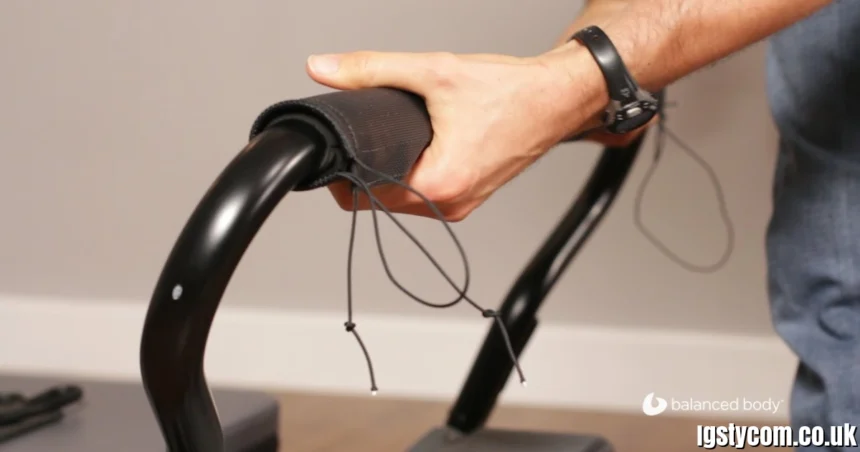
In the world of Pilates, the footbar is one of the most important components of a Reformer machine. It’s the padded horizontal bar at the end of the carriage where users place their feet (or hands) during exercises. While it might look simple, it plays a major role in alignment, resistance, safety, and versatility.
In UK Pilates studios and home gyms, adjustable footbars are now standard. Brands like Align-Pilates (British-made), Merrithew, Balanced Body, and Fortus dominate the market. Reformers with adjustable footbars typically range from £2,479 to £4,557 depending on specifications and build quality.
The footbar allows users to push against spring resistance during exercises such as:
- Footwork series
- Leg presses
- Bridging
- Elephant and plank variations
- Rowing movements
Without a properly positioned footbar, posture and joint alignment can suffer — which defeats the purpose of controlled Pilates training.
Adjustability & Design Features
Modern UK reformers usually offer 3–4 footbar height or angle positions, including a lowered “down” setting. Adjustment systems vary:
- Lift-and-lock mechanisms (simple and common)
- Revo-style locking systems
- Sliding or spring-loaded designs
The padding is typically foam-covered with a non-slip surface, ensuring grip and comfort. Some manufacturers now offer “soft footbars”, which provide extra cushioning for clients with sensitive feet or rehabilitation needs. Wider designs like XSR footbars enhance stability, especially in studio environments with mixed-ability clients.
Benefits for UK Users
The benefits of a high-quality footbar go beyond comfort:
- Improved alignment and posture
- Reduced joint strain
- Greater exercise versatility
- Customisation for different body types
- Enhanced safety in studio and home settings
UK Pilates instructors frequently emphasise that correct footbar positioning can dramatically change muscle engagement. As many studio trainers explain, “A few centimetres of adjustment can be the difference between knee strain and perfect glute activation.”
2. Buying & Maintaining Pilates Footbars in Britain
If you’re investing in a Reformer in 2026, the footbar should be a major consideration. British buyers often focus on frame durability and springs but overlook the long-term reliability of the footbar locking system.
Where to Buy in the UK
Popular UK suppliers include:
-
uk-pilatesreformers.co.uk
-
Align-Pilates (direct and distributor network)
-
Specialist studio suppliers offering installation and servicing
Many companies now offer servicing packages, including spring replacement, carriage alignment, and footbar lock inspection.
Maintenance & Safety Standards
While there are no footbar-specific regulations, Pilates equipment must comply with general UK fitness safety standards. For commercial studios, annual servicing is highly recommended.
Maintenance tips include:
- Wipe padding after every use
- Inspect locking pins regularly
- Check frame stability and bolts
- Replace worn padding immediately
In busy London or Manchester studios, footbars may be adjusted dozens of times per day. Regular inspections prevent looseness or misalignment that could affect client safety.
3. Bar Foot Rails (Pub & Home Bar Footbars)
Step into a traditional British pub and glance down at the base of the bar counter. That polished horizontal rail? That’s a bar foot rail, often called a footbar or footrest. These rails have been a staple of UK pubs since the 19th century, originally installed to reduce fatigue for standing patrons.
In 2026, they’re still everywhere — from Victorian-style pubs to modern industrial home bars.
Why Foot Rails Matter in British Pubs
British pub culture revolves around standing social interaction. A foot rail allows customers to:
- Shift weight comfortably
- Reduce back and leg strain
- Lean naturally while holding drinks
It’s a small addition that makes long conversations at the bar far more comfortable.
Beyond comfort, footbars contribute heavily to aesthetic appeal. A polished brass rail instantly evokes classic heritage charm.
Popular Materials & Finishes in the UK
Foot rails come in various materials:
| Material | Style | Maintenance Level | Typical Use |
|---|---|---|---|
| Brass | Traditional, Victorian | High (polishing required) | Classic pubs |
| Stainless Steel | Modern, sleek | Low | Contemporary bars |
| Chrome | Bright & reflective | Moderate | Commercial venues |
| Industrial Pipe/Mild Steel | Rustic/steampunk | Moderate | Home bars |
Common diameters include 38mm (1.5”) and 51mm (2”), with custom sizes available.
4. Installation & UK Suppliers for Bar Footbars
Installing a bar foot rail in the UK is straightforward but must comply with commercial building regulations if installed in licensed premises.
Leading UK Suppliers (2026)
- House of Brass
- All Bar Fittings
- SDS London
- Pipedream Furniture
- Andy Thornton (commercial fit-outs)
Complete kits generally include:
- Rail tubing
- Floor or bar-mounted brackets
- End caps
- Screws and fixings
Prices typically start at tens of pounds per metre, with bespoke brass installations costing significantly more.
Installation Basics
Installation involves:
- Measuring the bar length.
- Fixing brackets to the floor or bar base.
- Slotting the rail into brackets.
- Securing with screws and checking alignment.
Professional installation is recommended for pubs, while home bars are often DIY-friendly.
Maintenance Tips
- Polish brass regularly to prevent tarnishing.
- Tighten brackets periodically.
- Use appropriate metal cleaners.
A well-maintained brass footbar can last decades — many Victorian pubs still feature their original rails.
5. FOOTBAR Sports Trackers in the UK
Now for something completely different: FOOTBAR (the brand). This Paris-based sports tech startup has gained serious traction in the UK football market, especially through Decathlon UK.
The flagship product, the Footbar Meteor Connected Tracker, is a lightweight wearable sensor designed for football players.
Key Features of Footbar Meteor
- Weighs just 9 grams
- Worn on the calf or shin via strap/sleeve
- Tracks shots, passes, speed, distance, and shot power
- AI-powered movement analysis
- Bluetooth connectivity
- Compatible with iOS and Android
- Works for 5-a-side, 11-a-side, futsal, and training sessions
Unlike bulky GPS vests, the Footbar sensor is discreet and unobtrusive.
How It Works
- Attach the sensor to your leg.
- Play or train normally.
- The sensor records motion data.
- AI analyses performance instantly.
- View metrics in the app.
The system even allows users to compare their stats with professional players through integrated data features.
6. UK Availability, Benefits & 2026 Trends
The Footbar Meteor is widely available via:
- Decathlon.co.uk
- Amazon UK
- Select sports retailers
Decathlon also offers refurbished “Second Life” units, making it more affordable for amateur players.
Why UK Players Love It
The UK football scene is highly competitive at grassroots level. Players want measurable progress without expensive tracking systems.
Benefits include:
- Objective performance data
- Skill progression tracking
- Gamification features
- Affordable alternative to pro GPS kits
Youth academies and semi-pro teams increasingly use individual trackers for player development.
2026 Trends Across All Footbars
Across Pilates, pubs, and sports tech, footbars are evolving:
- Pilates reformers now feature smoother, quieter adjustment systems.
- Pub foot rails are blending heritage design with modern durability coatings.
- Sports trackers are integrating more advanced AI metrics and community features.
The term “footbar” may cover very different products, but in each case, the function remains the same: support, performance, and comfort.
Conclusion
In the UK, footbars represent three entirely distinct yet equally important product categories. In Pilates studios, they are essential tools for strength, alignment, and safe resistance training. In British pubs, they’re historic design elements that enhance comfort and tradition. On football pitches, they’ve become cutting-edge wearable devices tracking performance with AI precision.
Whether you’re investing in a Pilates Reformer, designing a home bar, renovating a commercial pub, or upgrading your football training gear, understanding the right type of footbar makes all the difference. From brass rails steeped in Victorian history to 9-gram sensors powered by artificial intelligence, footbars in 2026 are more relevant than ever across the UK.
FAQs About Footbars in the UK
1. What is a footbar in Pilates?
A footbar in Pilates is the padded, adjustable bar on a Reformer machine where users place their feet or hands to perform resistance exercises.
2. Are bar foot rails required in UK pubs?
No, they are not legally required, but they are common for comfort and aesthetic purposes.
3. How much does a Pilates Reformer with adjustable footbar cost in the UK?
Typically between £2,479 and £4,557, depending on brand and features.
4. Where can I buy FOOTBAR sports trackers in the UK?
They are widely available at Decathlon UK, Amazon UK, and selected sports retailers.
5. Do FOOTBAR trackers replace professional GPS vests?
They provide affordable, detailed performance tracking but may not fully replace advanced team GPS systems used in professional football clubs.