




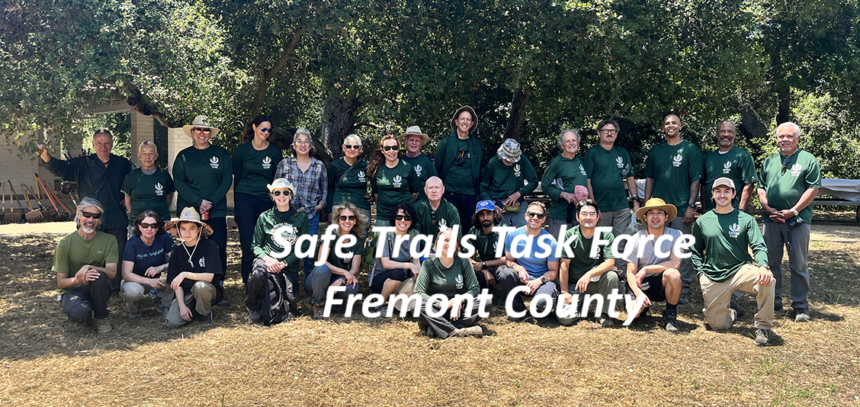
In recent years, the phrase “safe trails task force fremont county” has gained attention among outdoor enthusiasts, local residents, and policymakers alike. But this initiative is more than just a name—it represents a powerful collaboration focused on protecting people, preserving nature, and maintaining access to one of the county’s most valuable assets: its trails.
If you’ve ever wondered how communities balance recreation with safety and conservation, this task force offers a compelling example.
What Is the Safe Trails Task Force Fremont County?
At its core, the Safe Trails Task Force is a multi-agency and community partnership designed to oversee trail safety and responsible land use across Fremont County. It brings together local law enforcement, land management agencies, and community organizations to tackle challenges that no single group could handle alone.
Its mission revolves around three key pillars:
- Safety for all trail users
- Sustainability of natural environments
- Accessibility without compromising regulations
Unlike traditional enforcement-only approaches, this initiative blends education, prevention, and collaboration to create a more holistic system.
Why Was This Task Force Created?
Fremont County is known for its scenic landscapes and diverse outdoor activities—hiking, biking, horseback riding, and off-road exploration. But increased usage has brought new challenges:
- Conflicts between different trail users
- Environmental damage from misuse
- Safety risks in remote areas
- Illegal activities like dumping or unauthorized vehicle use
As trail traffic grew, local leaders realized a reactive approach wasn’t enough. A coordinated, proactive solution became necessary—and that’s how the task force was born.
Key Responsibilities and Activities
The Safe Trails Task Force operates across several areas, each contributing to safer and more enjoyable outdoor experiences.
1. Trail Safety and Monitoring
Regular inspections help identify hazards such as erosion, unsafe crossings, or unclear signage. Preventive action reduces accidents before they happen.
2. Law Enforcement Support
The task force works closely with police and federal agencies to address illegal activities, including:
- Unauthorized off-road driving
- Illegal dumping
- Suspicious or criminal behavior
Penalties can include fines or legal action, depending on the severity.
3. Environmental Protection
Protecting ecosystems is a major priority. Efforts include:
- Preventing habitat destruction
- Promoting “leave no trace” principles
- Managing trail usage to reduce erosion
4. Community Education
Workshops, outreach programs, and signage educate the public about:
- Trail etiquette
- Emergency preparedness
- Responsible recreation
5. Emergency Response Coordination
From lost hikers to medical emergencies, the task force helps coordinate rapid responses across agencies.
Real-Life Examples of Task Force Operations
Imagine a busy weekend on a popular trail. A group of hikers encounters a damaged section of the path, while nearby, an off-road vehicle has strayed into a restricted zone.
Without coordination, this situation could escalate—injuries, environmental damage, and confusion.
With the Safe Trails Task Force in place:
- The hazard is reported and quickly addressed
- Law enforcement handles the violation
- Clear signage is installed to prevent future issues
This seamless response highlights the value of a unified system.
How It Differs From Traditional Approaches
To better understand its impact, let’s compare the task force model with a standard single-agency approach:
| Feature | Traditional Approach | Task Force Model |
|---|---|---|
| Coordination | Limited | Multi-agency collaboration |
| Response Speed | Slower | Faster, shared resources |
| Focus | Enforcement-heavy | Prevention + education |
| Community Role | Minimal | Active participation |
| Environmental Strategy | Reactive | Proactive and sustainable |
This comparison shows why the task force model is increasingly seen as a modern solution to complex community challenges.
Community Involvement: The Secret Ingredient
One of the most powerful aspects of this initiative is its reliance on the community.
Residents and visitors are encouraged to:
- Report hazards or suspicious activity
- Participate in clean-up drives
- Attend safety workshops
This creates a shared sense of responsibility. In fact, the task force depends heavily on public input to stay effective.
I remember once getting slightly off-track during a hike and realizing how important clear signage and community-maintained trails are—it’s something you don’t fully appreciate until you need it.
Technology and Modern Solutions
The Safe Trails Task Force doesn’t rely solely on traditional methods. It integrates modern tools such as:
- GPS tracking for trail mapping
- Data analysis to identify high-risk areas
- Surveillance and monitoring in remote zones
These innovations allow the task force to anticipate problems instead of just reacting to them, making the entire system more efficient.
Economic and Social Impact
Beyond safety, the task force contributes to the broader community in meaningful ways.
Boosting Local Economy
Well-maintained trails attract tourists, which supports:
- Local businesses
- Hospitality services
- Outdoor recreation industries
Enhancing Quality of Life
Safe outdoor spaces encourage:
- Physical activity
- Family outings
- Community engagement
Building Trust
When people see effective collaboration between agencies and citizens, trust in local governance naturally increases.
Challenges Faced by the Task Force
No system is perfect, and the Safe Trails Task Force faces its share of obstacles:
- Limited funding and resources
- Increasing trail usage during peak seasons
- Public non-compliance with safety guidelines
- Weather-related hazards
Addressing these challenges requires ongoing innovation, community cooperation, and strategic planning.
The Future of Trail Safety in Fremont County
Looking ahead, the task force aims to:
- Expand educational programs
- Improve infrastructure and signage
- Strengthen partnerships with local organizations
- Enhance emergency response capabilities
The long-term vision is clear: a trail system that is safe, sustainable, and accessible for generations to come.
Read More: Team Disquantified: Meaning, Causes & Prevention
Conclusion
The Safe Trails Task Force Fremont County stands as a model of what can happen when collaboration meets purpose. By combining law enforcement, environmental stewardship, and community engagement, it creates a balanced approach to managing public spaces.
Rather than simply reacting to problems, it builds a system where prevention, education, and shared responsibility lead the way. And in a world where outdoor recreation continues to grow, that approach isn’t just effective—it’s essential.
FAQs
1. What is the main goal of the Safe Trails Task Force Fremont County?
Its primary goal is to ensure trail safety while promoting responsible use and environmental protection.
2. Who is involved in the task force?
It includes local law enforcement, government agencies, land managers, and community organizations working together.
3. Does it only focus on trails?
While trails are the main focus, the initiative also addresses broader public safety and environmental concerns across the county.
4. How can residents contribute?
Residents can report issues, volunteer for trail maintenance, and participate in educational programs.
5. Why is this model effective?
Because it combines multiple agencies and community input, allowing for faster responses and more comprehensive solutions.
6. Is this approach sustainable long-term?
Yes, its focus on education, prevention, and collaboration makes it adaptable and sustainable over time.