




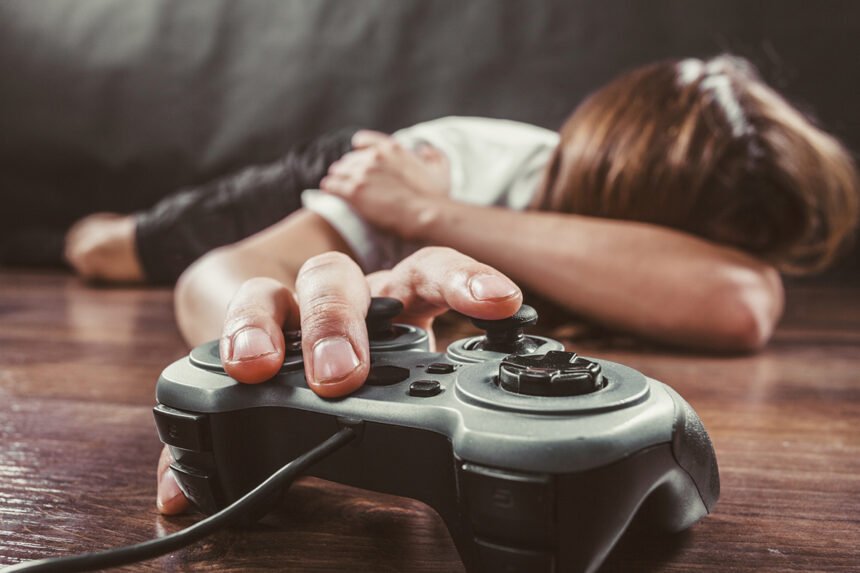
In recent years, “game overdertoza addiction” has emerged as a significant concern among gamers of all ages. It’s not just about spending too much time playing—it’s a behavioral pattern that can impact mental health, relationships, and daily functioning. While gaming is often seen as a harmless hobby, for some, it can develop into a compulsive habit that is hard to break.
As someone who once struggled with late-night gaming marathons during college, I can personally attest to how easily a pastime can spiral into an all-consuming behavior. Recognizing the signs early can make all the difference.
What Is Game Overdertoza Addiction?
Game overdertoza addiction refers to a compulsive need to play certain video games, often to the point where it interferes with personal, academic, or professional life. Unlike casual gaming, which is a source of relaxation and entertainment, this addiction triggers negative consequences including sleep deprivation, mood swings, and social isolation.
The addiction often stems from a combination of psychological factors such as the thrill of competition, social rewards, and the dopamine-driven feedback loops embedded in many modern games. Over time, the brain begins to crave these gaming stimuli, creating a cycle that is difficult to break without conscious effort.
Key Signs of Game Overdertoza Addiction
Identifying addiction early is crucial. Here are common indicators:
- Excessive Time Commitment: Spending hours daily gaming, often neglecting responsibilities.
- Neglecting Personal Relationships: Choosing gaming over social interactions with friends or family.
- Withdrawal Symptoms: Feeling irritable, anxious, or restless when unable to play.
- Loss of Interest in Other Activities: Hobbies and daily routines take a backseat to gaming.
- Failed Attempts to Reduce Playtime: Persistent inability to limit gaming despite negative consequences.
Examining a Real-Life Case of Game Overdertoza
Consider Alex, a 21-year-old college student who loved multiplayer online games. Initially, he played for relaxation after classes. Within a few months, Alex found himself skipping meals, missing deadlines, and avoiding social gatherings to stay online. Friends and family expressed concern, but the compulsive urge to play was overwhelming. Eventually, Alex sought professional help and joined a gaming support group, learning to set boundaries and gradually reclaim his daily life.
This scenario highlights how game overdertoza addiction can quietly escalate, affecting academics, mental health, and social life.
Psychological and Physical Impact
The consequences of excessive gaming aren’t just social—they are deeply psychological and physiological:
- Mental Health: Anxiety, depression, and low self-esteem often accompany addictive gaming behaviors.
- Cognitive Effects: Poor concentration and reduced academic or professional performance can occur.
- Physical Health: Long hours sitting and staring at screens can lead to eye strain, poor posture, and sleep disorders.
Understanding these impacts is vital for both prevention and recovery.
Comparing Healthy Gaming vs. Game Overdertoza Addiction
| Aspect | Healthy Gaming | Game Overdertoza Addiction |
|---|---|---|
| Time Spent | 1–2 hours daily | 5–10+ hours daily |
| Social Interaction | Maintains friendships and hobbies | Withdraws from social life |
| Emotional Response | Enjoyment and relaxation | Anxiety, irritability, and restlessness |
| Self-Regulation | Can pause or stop without distress | Difficulty stopping despite negative effects |
| Daily Responsibilities | Balanced with gaming | Neglected due to gaming |
This table demonstrates that while gaming itself is not inherently harmful, crossing certain thresholds in time, social engagement, and emotional control can indicate a deeper problem.
How to Address Game Overdertoza Addiction
Recovering from this type of addiction requires a multi-faceted approach:
- Self-Assessment: Keep a gaming journal to track time spent and emotional triggers.
- Set Clear Boundaries: Establish gaming schedules with time limits.
- Seek Social Support: Engage with friends, family, or gaming support groups.
- Professional Guidance: Therapists specializing in behavioral addictions can provide structured interventions.
- Healthy Alternatives: Physical activity, reading, or learning new skills can replace gaming time.
A Personal Note on Recovery
During my college years, I realized my late-night gaming sessions were affecting both my grades and my friendships. By setting strict evening cut-offs and dedicating time to exercise, I slowly regained balance. Over time, gaming became a source of enjoyment rather than a controlling habit. This experience underscores that small, consistent steps can lead to sustainable recovery.
Prevention Tips for Gamers
- Prioritize Sleep: Avoid gaming late into the night to maintain healthy sleep patterns.
- Schedule Breaks: Take regular breaks during long sessions to prevent physical strain.
- Monitor Emotional State: Be aware if gaming becomes a primary coping mechanism for stress.
- Balance Screen Time: Incorporate offline activities to maintain holistic well-being.
By integrating these strategies, individuals can enjoy gaming while preventing it from becoming an addictive behavior.
Read More: Kárspersky: Complete Digital Security for All Devices
Conclusion
Game overdertoza addiction is a growing concern, but it’s manageable with awareness, structured intervention, and support. By recognizing the signs early, setting healthy boundaries, and seeking help when necessary, gamers can maintain balance, ensuring their hobby enhances rather than hinders their lives. Gaming should remain a source of enjoyment, growth, and connection—not a controlling force.
FAQs
Q1: Can anyone develop game overdertoza addiction?
Yes, while certain individuals may be more predisposed due to personality traits or life circumstances, anyone can develop a compulsive gaming habit if it becomes a primary source of reward or escape.
Q2: How long does recovery take?
Recovery timelines vary depending on the severity of addiction. Some may see improvement in weeks with structured changes, while others may need months of therapy and support.
Q3: Are certain games more addictive than others?
Games with continuous rewards, multiplayer competition, or immersive storylines can increase the risk of addictive behavior. The key factor is how these games interact with the player’s psychological triggers.
Q4: Can moderation help prevent addiction?
Absolutely. Setting clear limits, maintaining social connections, and balancing gaming with other activities are effective preventive measures.
Q5: When should I seek professional help?
If gaming consistently interferes with daily life, relationships, or mental health, it’s wise to consult a professional specializing in behavioral addictions.