




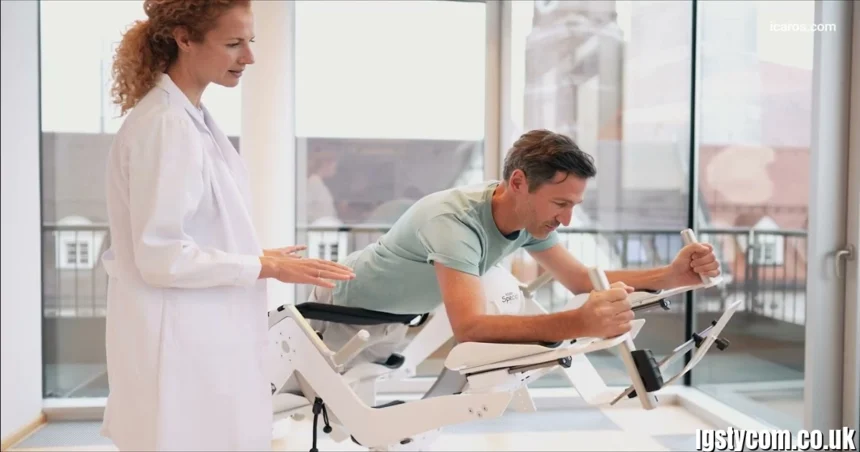
Modern rehabilitation is increasingly focused on the connection between the nervous system and muscle movement. One emerging concept gaining attention in therapy discussions is Kinervus, a physiotherapy approach centered on improving brain–body communication through targeted movement and advanced therapeutic techniques.
Kinervus therapy combines traditional physical therapy methods with modern neurological science and technology, helping patients regain mobility, strength, and independence. It is particularly relevant for individuals recovering from neurological conditions such as stroke, Parkinson’s disease, multiple sclerosis (MS), and traumatic injuries.
In the United States, similar treatment models fall under neurologic physical therapy, guided by organizations like the American Physical Therapy Association (APTA) and supported by evidence-based rehabilitation practices.
This 2026 guide explains what Kinervus is, its origins, therapy types, benefits, procedures, and expected results.
1. What Is Kinervus? Understanding the Concept
Kinervus is a therapeutic approach focused on improving the relationship between nerves (nervus) and movement (kine). The core principle is based on neuroplasticity, the brain’s ability to reorganize and form new neural connections through repeated activity.
This method helps the brain relearn proper movement patterns, allowing patients to regain control over muscles affected by injury or disease.
Core Principles of Kinervus
The approach focuses on three main elements:
- Neurological reactivation – stimulating communication between the brain and muscles
- Targeted movement therapy – repetitive exercises designed to retrain neural pathways
- Technology-assisted rehabilitation – using tools such as biofeedback and motion tracking
Conditions Commonly Treated
Kinervus-style therapy is used to help patients with:
- Stroke recovery
- Parkinson’s disease
- Multiple sclerosis (MS)
- Traumatic brain injury (TBI)
- Chronic back pain
- Pediatric motor development delays
In the United States, neurologic physical therapists may integrate similar techniques in hospital rehabilitation centers, outpatient clinics, and specialized therapy programs.
2. History of Neurological Rehabilitation and Kinervus
Although the specific term Kinervus is relatively modern, its underlying principles come from decades of medical research.
Early Rehabilitation Medicine
The foundation of neurologic rehabilitation developed in the early 20th century, especially during:
- World War I, when injured soldiers required rehabilitation
- the polio epidemic, which created demand for physical therapy
Physicians like Dr. Howard A. Rusk helped establish rehabilitation medicine in the United States.
Advances in Neuroscience
During the 1950s–1970s, new discoveries about brain function led to better rehabilitation strategies.
Researchers such as Kurt Goldstein promoted holistic treatment approaches for neurological disorders.
In 1982, the American Physical Therapy Association introduced board certification for neurological physical therapy specialists, which further standardized treatment practices.
Modern Kinervus Concept
The specific Kinervus method emerged in Europe around 2019, including clinics such as those in Belgium. These programs integrated:
- digital therapy tools
- biofeedback technology
- personalized rehabilitation plans
Today, similar principles are widely used in US neurological therapy programs.
3. Types of Kinervus Therapy
Kinervus includes several specialized rehabilitation techniques designed to address different conditions.
Neurological Rehabilitation
This therapy focuses on rebuilding brain-to-muscle communication.
It is commonly used for:
- stroke recovery
- Parkinson’s disease
- spinal cord injuries
Exercises emphasize repetition and controlled movement to stimulate neural pathways.
Pediatric Neurological Therapy
Children with developmental challenges can benefit from targeted therapy designed to improve:
- posture
- walking ability
- coordination
- balance
These programs help children reach important motor development milestones.
Kinesiotaping
Kinesiotaping uses elastic therapeutic tape applied to muscles and joints.
Benefits include:
- improved circulation
- muscle support
- pain reduction
- better movement control
Manual Therapy
Manual therapy includes hands-on techniques such as:
- joint mobilization
- soft-tissue massage
- muscle stretching
These methods reduce stiffness and improve mobility.
Manual Lymphatic Drainage (MLD)
MLD is a gentle massage technique that helps move lymphatic fluid, reducing swelling and improving circulation.
This therapy is often used for patients recovering from surgery or chronic inflammation.
4. Benefits of Kinervus Therapy
Kinervus provides multiple health benefits for individuals dealing with neurological or mobility issues.
Improved Balance and Stability
Patients often experience better balance, which reduces the risk of falls and injuries.
Pain Relief
Correcting movement patterns can relieve pressure on muscles and joints, helping reduce chronic pain.
Increased Muscle Strength
Consistent therapy strengthens muscles and allows patients to perform daily activities such as walking, lifting, and standing.
Greater Independence
As mobility improves, patients regain confidence and can return to work, hobbies, and social activities.
Long-Term Brain Adaptation
Because Kinervus therapy relies on neuroplasticity, it encourages lasting neurological improvements.
Many patients experience gradual improvements over weeks or months of consistent therapy.
5. Kinervus Therapy Procedure
A typical therapy program follows several steps.
Step 1: Initial Assessment
During the first visit, the therapist evaluates:
- medical history
- current mobility
- pain levels
- muscle strength
They may observe activities such as walking or reaching.
Step 2: Personalized Treatment Plan
The therapist creates a custom rehabilitation program tailored to the patient’s condition and goals.
Plans may include:
- balance training
- muscle strengthening
- movement retraining
Step 3: Therapy Sessions
Sessions typically last 30–60 minutes and may include:
- guided exercises
- balance activities
- biofeedback technology
- kinesiotaping
Repetitive movements help the brain rebuild neural pathways.
Step 4: Progress Monitoring
Therapists track improvement and adjust exercises as needed.
Technology such as motion sensors and therapy apps may help monitor progress.
6. Risks, Preparation, and Recovery Timeline
Kinervus therapy is generally safe and non-invasive, but some minor effects may occur.
Possible Side Effects
Patients may experience:
- temporary muscle soreness
- fatigue after therapy sessions
- mild skin irritation from kinesiotape
These effects usually disappear within a short time.
Preparation Before Therapy
Before starting treatment, patients should:
- wear comfortable clothing
- discuss medications or surgeries with the therapist
- stay hydrated
- obtain physician referrals if required by insurance
Some US states allow direct access to physical therapy, while others require a medical referral.
Recovery and Results Timeline
Improvement occurs gradually.
Typical progress stages include:
Week 1–2
- reduced stiffness
- improved mobility
Week 4–6
-
better balance and coordination
3–6 months
- stronger muscles
- improved daily functioning
Results vary depending on the severity of the condition and therapy consistency.
Conclusion
Kinervus therapy represents a modern approach to neurological rehabilitation, focusing on strengthening the connection between the brain and muscles. By combining movement training, neuroplasticity principles, and modern technology, this therapy helps patients regain control of their bodies after injury or illness.
In the United States, similar treatments are widely used in neurologic physical therapy programs, helping patients recover from conditions such as stroke, Parkinson’s disease, and traumatic injuries.
With personalized therapy plans and consistent practice, many patients experience significant improvements in mobility, independence, and overall quality of life.
Frequently Asked Questions (FAQs)
1. What does Kinervus therapy treat?
It helps treat neurological and mobility conditions such as stroke, MS, Parkinson’s disease, and muscle weakness.
2. Is Kinervus therapy safe?
Yes. It is generally considered low risk and non-invasive when performed by trained professionals.
3. How long does therapy take?
Sessions usually last 30–60 minutes, and full recovery may take several weeks to months.
4. Do you need a referral in the US?
Some states allow direct access to physical therapy, while others require physician referrals for insurance coverage.
5. Can children benefit from Kinervus therapy?
Yes. Pediatric programs help children improve motor skills, coordination, and posture.