




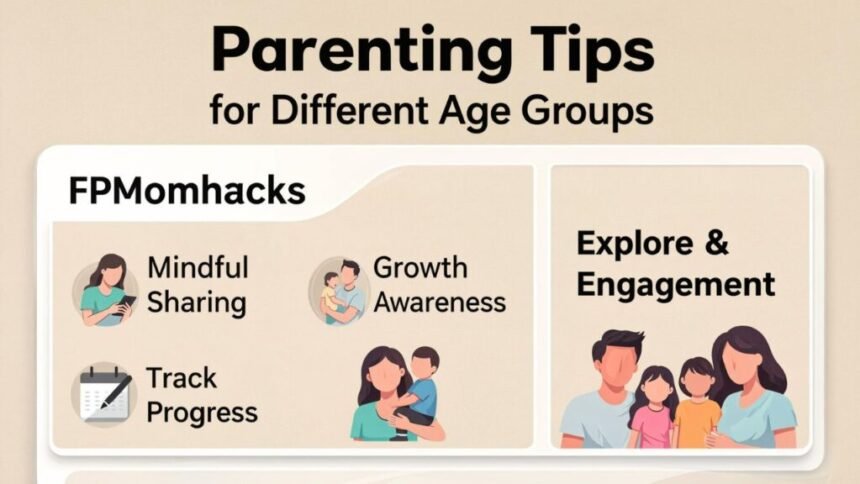
Parenting is a journey full of excitement, challenges, and countless “aha” moments. For modern parents, finding practical and effective strategies can sometimes feel overwhelming. That’s where insights like parenting tips fpmomhacks come in—blending real-life experience with actionable guidance. Whether you’re navigating sleepless nights, managing toddler tantrums, or helping your teen develop life skills, these tips can make parenting feel less like a juggling act and more like a fulfilling adventure.
1. Embrace Consistency, Not Perfection
One of the most valuable lessons I’ve learned from raising two kids is that consistency matters far more than perfection. Children thrive on predictable routines, clear expectations, and consistent responses. This doesn’t mean you have to have everything perfectly organized or rigid; it means showing up in a reliable way that your child can understand.
Example: Instead of stressing about a perfectly balanced meal every day, aim for meals that consistently include protein, vegetables, and grains. The goal is steady nourishment, not a culinary masterpiece.
2. Communication is Key
Effective communication goes beyond talking—it’s about listening, observing, and validating feelings. Kids often mirror the communication style of their parents. Using age-appropriate language, asking open-ended questions, and acknowledging emotions builds trust and emotional intelligence.
Real-World Scenario: My seven-year-old once refused to share their art project. Instead of insisting, I asked about their favorite part and listened carefully. That small act of acknowledgment led to a warm conversation and, eventually, sharing the artwork with pride.
3. Encourage Independence Gradually
Allowing children to explore, make small mistakes, and solve problems independently fosters confidence. Start with simple responsibilities like tidying toys or picking out clothes, then gradually increase autonomy with more complex tasks like meal prep or managing allowances.
Here’s a quick comparison of two approaches to fostering independence:
| Approach | Age Range | Example Task | Benefits |
|---|---|---|---|
| Guided Independence | 3–6 years | Putting toys away after playtime | Builds routine, sense of responsibility |
| Gradual Autonomy | 7–12 years | Choosing outfits, helping with snacks | Develops decision-making and confidence |
| Advanced Responsibility | 13+ years | Managing personal schedule, small budgets | Prepares for adulthood and self-reliance |
4. Set Clear Boundaries
Boundaries provide children with security and structure. Clearly define acceptable behaviors, explain why rules exist, and enforce them consistently. Importantly, boundaries should be flexible enough to adapt as your child grows.
Tip: Instead of long lectures, use short, clear statements like “Screens off after 8 PM so your brain can rest for tomorrow.” Children respond better to actionable guidance rather than abstract warnings.
5. Foster Emotional Resilience
Life isn’t always smooth, and learning how to cope with disappointment is a vital life skill. Encourage problem-solving, praise effort over outcome, and model healthy coping strategies.
Personal Experience: When my older child lost a school competition, we spent a few minutes talking about what went well and what could be improved. Later, they bounced back with enthusiasm for the next challenge—proof that resilience grows with guidance.
6. Prioritize Self-Care for Parents
Parenting isn’t just about children; it’s about balance. A well-rested, mentally healthy parent is far more effective. Simple habits like brief morning stretches, journaling, or scheduling small breaks during the day can make a huge difference.
Unique Value Insight: Many parents underestimate the ripple effect of self-care. When parents model balanced lifestyles, children naturally adopt healthier habits, creating a home culture of well-being.
7. Leverage Everyday Learning Moments
Everyday life is packed with opportunities for teaching—cooking, grocery shopping, or even commuting can become learning experiences. Use these moments to teach problem-solving, patience, and critical thinking without it feeling forced.
Example: While shopping, ask your child to compare prices or estimate the total cost. It subtly strengthens math skills and decision-making in a practical context.
8. Build a Support Network
Parenting doesn’t have to be a solo journey. Surround yourself with people who uplift, share experiences, and offer practical advice. Online communities, local parent groups, or trusted family members can provide support, motivation, and fresh perspectives.
Comparison Table: Support Options
| Support Type | Pros | Cons |
|---|---|---|
| Family | Familiarity, immediate help | May impose opinions |
| Friends | Shared experiences, empathy | Limited availability |
| Online Communities | Wide range of tips, anonymity | Quality varies, can be overwhelming |
| Professional Help | Expert guidance, tailored advice | Cost, scheduling constraints |
9. Celebrate Small Wins
Parenting isn’t only about milestones like birthdays or graduations. Celebrate small wins—successful homework sessions, a kind gesture, or trying a new skill. Recognition reinforces positive behavior and builds motivation.
Tip: Keep a “win wall” at home. Every small achievement gets a sticky note or photo—over time, it becomes a visual record of growth and effort.
10. Keep Learning and Adapting
Parenting is a dynamic process. What works at one stage may not at another. Stay informed, experiment with strategies, and remain flexible. Read books, follow trusted parenting accounts, and don’t hesitate to adjust approaches as your child’s needs evolve.
Conclusion
Parenting is an intricate blend of patience, guidance, and love. By embracing consistency, fostering independence, and valuing emotional resilience, parents can create a nurturing environment that encourages growth, confidence, and happiness. Applying these parenting tips fpmomhacks in everyday life can simplify challenges, strengthen bonds, and turn small moments into lasting lessons. Remember: parenting is a journey, not a race, and small, intentional actions often make the biggest difference.
Also Read:Where to Find Gaming Tournaments TheHakEvent Guide
Q1: How can I manage screen time effectively?
Set clear daily limits, engage children in offline activities, and model responsible usage yourself. Consistency is key.
Q2: What’s the best way to handle tantrums?
Stay calm, acknowledge emotions, and offer choices when possible. Avoid power struggles; instead, guide them toward expressing feelings constructively.
Q3: How do I encourage my child to be independent?
Start with small tasks appropriate for their age, gradually increase responsibility, and praise effort. Let them make mistakes safely—it’s part of learning.
Q4: How can parents maintain their own well-being?
Incorporate small self-care routines, delegate responsibilities when possible, and create personal boundaries to recharge mentally and physically.
Q5: Are online parenting communities helpful?
Yes, they provide diverse tips and support, but always verify advice and balance online input with personal judgment.